Wedding bouquets Fulham Parsons Green florist case study
Posted on 19/10/2026
Planning wedding flowers can feel wonderfully exciting one minute and oddly overwhelming the next. You want the bouquet to look elegant in photos, suit the dress, hold up through a long day, and still feel like you. This Wedding bouquets Fulham Parsons Green florist case study looks at how a local florist approach can solve those moving parts in a practical, thoughtful way. It is not just about pretty stems in a vase; it is about timing, texture, seasonality, delivery, and the little decisions that make the whole thing feel calm rather than chaotic.
If you are comparing styles, trying to understand what a florist actually does for a wedding, or simply wondering what makes a bouquet work in real life, you are in the right place. Let's break it down clearly, without the fluff.
- Why this case study matters
- How the florist process works
- Key benefits and practical advantages
- Who it is for
- Step-by-step guidance
- Expert tips
- Common mistakes to avoid
- Tools, resources and recommendations
- Law, compliance and best practice
- Options and comparison table
- Case study example
- Practical checklist
- Conclusion
- Frequently asked questions
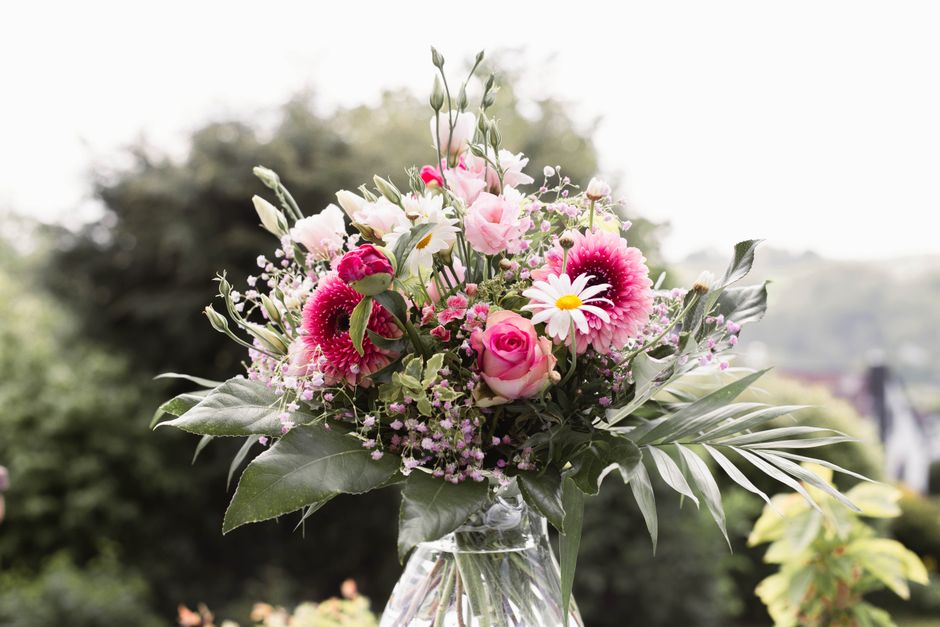
Why Wedding bouquets Fulham Parsons Green florist case study Matters
Wedding flowers are one of those details that can look effortless from the outside and be surprisingly technical behind the scenes. A bouquet is not just picked because it is beautiful. It needs to match the dress shape, the season, the colour palette, the ceremony setting, and the pace of the day. That is especially true in Fulham and Parsons Green, where many couples want something polished but not overblown, stylish but still natural.
A local florist case study matters because it shows what happens when those details are handled properly. You get a clearer picture of how wedding bouquets are planned, what trade-offs are involved, and why a florist with local knowledge can make the process smoother. Truth be told, that local knowledge can save a lot of second-guessing. A bouquet that looks perfect on a mood board can behave very differently in a warm church, a late-afternoon garden reception, or on a busy trip across London.
There is also a trust element here. Weddings are emotional, and rightly so. People often want reassurance that their florist understands more than flowers. They need someone who understands timing, transport, practical handling, and the simple fact that nobody wants to be worrying about wilted roses while guests are arriving.
For readers in or around SW6, this topic is useful because it sits right where inspiration meets decision-making. You can look at bouquet styles, compare wedding flower collections, and then judge what is realistic for your day. That is why a case-study style article is more useful than a generic gallery. It explains the thinking, not just the finish.
One small but important point: good wedding floristry is often invisible in the best possible way. When the flowers work, the day flows. You do not notice stress, only beauty.
How Wedding bouquets Fulham Parsons Green florist case study Works
In practical terms, a wedding bouquet project usually starts with a conversation, then moves into style, flower choice, budget, scheduling, and delivery. A florist will often begin by asking what sort of look you want: classic, garden-inspired, modern, romantic, structured, or loose and natural. From there, the bouquet design is shaped around the season and the day itself.
The process is often more collaborative than people expect. A bride may show a few reference images, mention a dress neckline, and explain whether the ceremony is in a church, registry office, hotel, marquee, or garden. That is enough for a skilled florist to narrow the options quickly. In fact, one of the most useful things a florist can do is tell you what not to chase. Not every beautiful bloom is a sensible wedding bloom. Some are too delicate, some are difficult to keep fresh, and some simply do not sit well in a hand-tied bouquet.
Florists working on wedding bouquets in Fulham and Parsons Green typically think in layers:
- Shape: round, loose, cascading, or asymmetric
- Colour: tonal whites, soft blush, mixed pastels, deeper romantic shades, or stronger accent colours
- Texture: roses, lisianthus, orchids, hydrangea, seasonal foliage, and supporting flowers
- Practicality: stem strength, water needs, timing, and comfort in hand
- Coordination: bridesmaid bouquets, buttonholes, table flowers, and ceremony pieces
What tends to separate a good outcome from an average one is not extravagance. It is consistency. The bouquet should feel part of the same visual story as the dress, venue, and table flowers. If you are using a wider wedding collection, the bouquet should echo it without looking copied and pasted. Slight variation is normal and often better.
Local delivery also matters. In London, a bouquet can look immaculate on the design bench and still be under pressure by the time it reaches the venue. A florist who understands timing around Fulham roads, parking realities, and reception handover can avoid a lot of last-minute drama. Not glamorous, I know, but very useful.
Key Benefits and Practical Advantages
The biggest advantage of working through a florist-led wedding bouquet case study is clarity. You see how decisions connect, and that helps you avoid expensive guesswork.
- Better fit with the wedding style: A bouquet can be tailored to the dress, venue, and overall palette rather than chosen in isolation.
- More reliable presentation: Freshness, hydration, and timing are managed with the wedding day in mind.
- Less stress: Someone else is thinking about flower behaviour, transport, and handover details.
- Stronger photos: A well-shaped bouquet photographs beautifully from the aisle, the group shots, and the close-ups.
- Useful coordination: Buttonholes, bridesmaid bouquets, and table arrangements can all be built to match.
- Seasonal value: Choosing flowers that are in season often gives you better quality and smoother availability.
There is another practical benefit that people sometimes overlook: a florist can help you spend money where it shows. Not every part of a wedding flower order needs the same level of detail. Sometimes the bridal bouquet deserves the richest mix, while bridesmaid bouquets can be simpler and still elegant. That sort of judgement is hard to make on your own, especially when you are comparing dozens of beautiful images online.
If you are looking at bouquet styles on a florist site, collections such as a refined bridal bouquet option or a matching bridesmaid bouquet can be helpful starting points because they show how the main and supporting florals can be kept visually connected.
Who This Is For and When It Makes Sense
This approach makes sense for couples who want wedding flowers to feel carefully considered rather than off-the-shelf. It is especially useful if your wedding is local to Fulham or Parsons Green, because local floristry tends to work best when venue access, delivery timing, and style preferences all align.
You may find it particularly helpful if:
- you want a bouquet that matches a specific dress or silhouette
- you are planning a wedding in SW6 and want local delivery handled sensibly
- you need bridesmaid bouquets, buttonholes, and table flowers to coordinate
- you are comparing classic white wedding flowers with softer pastel or mixed designs
- you are trying to balance presentation and budget
- you do not want to manage last-minute floral logistics yourself
It also suits couples who like being involved but not micromanaging. You do not need to know the Latin names of flowers. Honest, most people do not. What helps more is sharing your venue type, dress image, colour palette, and whether you want the bouquet to feel modern, romantic, or a bit more traditional.
And if you are the kind of person who gets a bit nervous about "the look" on the day, that is completely normal. Flowers have a funny way of becoming emotionally important. One detail feels tiny in planning, then suddenly it is in every photo.
Step-by-Step Guidance
Here is a practical way to think about a wedding bouquet project from first idea to delivery.
1. Start with the wedding setting
Write down the venue, season, time of day, and general mood. A spring ceremony in Parsons Green feels different from a late-summer reception in Fulham. Natural light, room size, and walk distance all affect bouquet choice more than people expect.
2. Choose the overall floral mood
Decide whether you want something soft and romantic, crisp and classic, bold and colourful, or simple and understated. This is where flowers like roses, lisianthus, orchids, and hydrangea can be discussed in a meaningful way rather than just as names on a list.
3. Match the bouquet to the dress
This is one of the smartest checks you can make. A structured dress can handle a more sculptural bouquet. A softer gown often works better with a looser, hand-tied style. If the dress has a lot of detail, the bouquet should probably support it rather than compete with it.
4. Confirm the supporting flowers
Bridesmaid bouquets, buttonholes, corsages, and table pieces should all sit in the same family. They do not need to match exactly. In fact, exact matching can feel flat. But they should feel coordinated, like they belong to the same wedding.
5. Agree on timing and delivery
Ask when the flowers will be prepared, how they will be kept fresh, and when they will be delivered. For local London weddings, this matters more than you might think. Traffic happens. A good florist plans for it.
6. Check the bouquet on the day before or morning of the wedding
Sometimes a florist will share final confirmation or photos before handover. That reassurance can be worth a lot. A small tweak to ribbon, stem length, or flower placement can make everything feel much calmer.
7. Keep the bouquet hydrated and cool
Once delivered, the bouquet should be placed safely and kept out of direct heat or bright sun. This is basic, but easy to overlook when people are getting ready in a busy room with hair pins, speeches, and shoes everywhere.
If you prefer a wedding-ready collection format, a broader option such as the wedding collection can help you compare bridal, bridesmaid, and ceremony flowers in one place.
Expert Tips for Better Results
Experienced florists tend to focus on details that are easy to miss when you are planning a wedding for the first time. A few of those details can make a surprisingly big difference.
- Think about the bouquet in motion: It will be carried, photographed, set down, picked up again, and held for a while. Comfort matters.
- Use the bouquet's shape to guide attention: A bouquet should frame the bride, not overpower her.
- Choose flowers with strong visual value: Some blooms look lovely close up but disappear in photos. A mix of focal flowers and supporting stems usually works best.
- Plan for temperature and travel: A bouquet that is fine indoors may need extra care if the day includes outdoor photos.
- Be careful with strong scents: Beautiful, yes. But a heavy fragrance can be distracting in a warm ceremony room.
- Allow a bit of flexibility: Seasonality is not a limitation; it is often a strength. The bouquet can be more natural when you let the flowers lead a little.
One thing florists rarely say loudly enough: simpler is often stronger. A really good bridal bouquet does not need every flower under the sun. It needs harmony. A calm palette, good structure, and clean finishing can look far more luxurious than a crowded mix. To be fair, that is easier said than done, but it is absolutely achievable.
Expert summary: The best wedding bouquets are not the most complicated ones. They are the ones that stay fresh, feel comfortable, photograph well, and make sense from the first look to the last dance.
And yes, it is okay to be picky. It is your wedding. A little fussiness is not a flaw; it is useful information.
Common Mistakes to Avoid
Even with a good florist, a few common errors can create avoidable stress. Most of them are simple to fix once you know what to look for.
- Choosing flowers from photos alone
Pictures are helpful, but they do not show scale, scent, durability, or how the bouquet feels to hold.
- Ignoring the season
Out-of-season flowers may be available, but they can be less practical or less cost-effective. Seasonal choices often give better results.
- Forgetting the dress neckline
A bouquet can clash with the dress shape if nobody checks the overall silhouette.
- Leaving delivery details too late
Wedding day timing needs more care than an ordinary flower order. Who is receiving the bouquet? Where? At what time?
- Overcomplicating the colour palette
Too many competing shades can make the bouquet feel busy, especially in photographs.
- Not thinking about the bridesmaids
If their flowers are very different in scale or tone, the whole visual story can feel uneven.
- Assuming every flower is equally durable
Some blooms need more delicate handling than others. A florist should guide you here.
There is also the classic mistake of trying to do too much yourself in the final 48 hours. Let's face it, the days before a wedding are not the moment to be wrestling ribbon in a kitchen at 11 p.m. Delegating properly can be a kindness to yourself.
Tools, Resources and Recommendations
You do not need specialist software to plan wedding flowers well. But a few practical tools and resources can make the process much easier.
- A mood board: Save 5 to 10 images that show the same feeling. Do not collect 40 different styles and hope the florist reads your mind.
- Venue photos: These help with scale, light, and colour context.
- Dress image or sketch: Even a phone photo of the dress hanging up can help.
- Colour swatches: Helpful when you are matching florals to ribbons, bridesmaid dresses, or table styling.
- A shortlist of flower preferences: For example, roses, orchids, lisianthus, hydrangea, tulips, or mixed seasonal blooms.
- Delivery notes: Access instructions, contact numbers, and any loading restrictions.
For wedding shopping, product collections can be genuinely useful rather than just decorative. A couple might compare a white bridal bouquet style with a more contemporary bridal bouquet to see how formal or relaxed they want the final look to feel.
Florists also often work from broader wedding ranges such as a matching wedding collection, which can be helpful when you want the bouquet, bridesmaid flowers, and groom's buttonholes to sit together naturally. It keeps the decision-making sane. Mostly sane, anyway.
Law, Compliance, Standards, or Best Practice
For wedding floristry, the most relevant issue is usually not complex regulation but responsible business practice, clear communication, and safe handling. A florist should be able to explain what is included, how flowers are delivered, and what happens if plans change. That is standard good practice in the UK wedding market.
Where this matters most is around:
- Delivery commitments: Make sure the time and handover process are clear.
- Product expectations: Flowers are natural products, so exact stems may vary slightly from the example image.
- Refund or substitution terms: You should understand the florist's terms before confirming an order.
- Accessibility and handling: Venue access, stairs, narrow entrances, and reception handover can all affect delivery.
- Waste and sustainability: Many couples now care about responsible sourcing, efficient use of stems, and avoiding unnecessary waste.
That is why it is worth checking pages such as delivery information, service guarantees, returns and refunds, and sustainability information before placing a wedding order. Those pages are not glamorous, granted, but they help you understand the practical side of the service.
If you are comparing multiple suppliers, also look at the florist's about us page and general service terms so you know who is actually preparing and delivering the flowers. Trust is built in those quieter details.
Options, Methods, or Comparison Table
There are a few common ways couples approach wedding bouquets. The right choice depends on budget, style, and how much coordination they want across the full floral scheme.
| Approach | Best for | Advantages | Possible downside |
|---|---|---|---|
| Single bespoke bridal bouquet | Small weddings or focused styling | Highly personal, simple to plan, elegant photo impact | May need extra thought if bridesmaids or buttonholes are added later |
| Matched wedding collection | Couples who want a coordinated look | Bridal bouquet, bridesmaid flowers, and buttonholes work together cleanly | Less room for totally separate styles across each item |
| Seasonal florist choice | People open to guidance | Often strong value and very natural-looking | Less control over exact stems |
| Luxury layered design | Formal weddings or statement styling | Rich texture, fuller feel, high visual impact | Usually requires a bigger budget and careful handling |
In a local Fulham or Parsons Green setting, a matched collection is often a very sensible middle ground. It gives you coherence without making everything feel too rigid. If you want the wedding bouquet to be the hero, that works too. The key is not to let every item fight for attention.
Case Study or Real-World Example
Here is a realistic wedding flower scenario based on the sort of request a local florist might handle.
A couple planning a ceremony near Parsons Green wants a bridal bouquet that feels romantic but not overly fussy. The bride likes soft whites with a touch of blush, and the dress has a clean shape with gentle detail around the bodice. They also want two bridesmaid bouquets, four buttonholes, and a simple table arrangement for the top table.
Instead of building the design around one dramatic flower, the florist takes a measured approach. The bouquet is shaped to sit neatly in the hand, with enough texture to look interesting in close-up photos. The bridesmaid bouquets are smaller but still clearly related. Buttonholes are kept simple and neat so they read well on jackets without becoming bulky. The table flowers echo the same tones, just in a lower, calmer style.
What makes this sort of project work is not flash. It is coordination. The bouquet complements the dress, the supporting flowers feel intentional, and the delivery is planned to fit the day rather than disrupt it. You will notice that this kind of arrangement feels quietly polished in photos. It does not scream for attention. It just sits beautifully in the frame.
If you wanted to explore a similar wedding style, you might compare bouquet options such as White Wonders Bridal Bouquet with matching support pieces like White Wonders Bridesmaid Bouquet and a neat white rose groom buttonhole. That kind of alignment makes the whole wedding look considered without feeling overdone.
In a real-world setting, the biggest compliment is often the quietest one: "the flowers just felt right." That is the goal.
Practical Checklist
Use this checklist before confirming your wedding bouquet order.
- Wedding date and venue confirmed
- Delivery address and contact details checked
- Bridal bouquet style agreed
- Colour palette shared with the florist
- Dress photo or neckline detail provided
- Bridesmaid bouquets and buttonholes listed
- Preferred flowers and any dislikes noted
- Budget range discussed honestly
- Timing for preparation and handover confirmed
- Terms, substitutions, and refunds reviewed
- Venue access or parking notes shared
- Plan for storing the bouquet safely on the day
If you can tick those off, you are already ahead of most people. Seriously. Wedding planning has enough moving parts without leaving flowers to chance.
Conclusion
A thoughtful Wedding bouquets Fulham Parsons Green florist case study shows that the best wedding flowers are built on more than taste alone. They rely on timing, local know-how, clear planning, and the ability to translate a mood into something that works in the real world. That is what makes the bouquet feel effortless on the day and memorable long after.
Whether you want a soft bridal bouquet, a coordinated wedding collection, or a handful of carefully chosen supporting pieces, the smartest approach is to keep the focus on fit, freshness, and flow. The flowers should support the day, not complicate it. And when they are done well, they really do lift everything around them.
Get a free quote today and see how much you can save.
Sometimes the smallest details carry the biggest feeling, and wedding flowers are very much one of them.
Frequently Asked Questions
What does a florist case study for wedding bouquets actually show?
It shows how a wedding bouquet is planned in practice: style choices, flower selection, delivery timing, supporting arrangements, and the reasoning behind the final design. That makes it more useful than a simple gallery.
Why is a local Fulham or Parsons Green florist helpful for wedding bouquets?
A local florist understands the practical side of London weddings, including timing, access, and handover. That local awareness can reduce stress and help the flowers arrive in better condition.
How far in advance should I order a wedding bouquet?
It is sensible to plan as early as you can, especially for peak wedding seasons. The exact timing depends on the florist's booking schedule and your flower choices, but earlier is usually better.
Can I match my bridal bouquet with bridesmaid bouquets and buttonholes?
Yes, and that is often the cleanest approach. A coordinated set helps the whole wedding feel visually joined up without everything having to be identical.
Which flowers are best for wedding bouquets in the UK?
That depends on the season, your style, and your budget. Roses, lisianthus, orchids, hydrangea, and mixed seasonal blooms are all common choices, but the right answer is the one that suits your day and holds up well.
Do wedding bouquets need to be seasonal?
Not strictly, but seasonal flowers are often fresher, easier to source, and better value. They also tend to look more natural in the setting rather than forced.
How do I choose the right bouquet size?
Think about your dress, height, and comfort. A bouquet should feel balanced in the hand and work with the overall silhouette, not dominate it.
What should I bring to my florist appointment?
Bring a dress image, venue information, colour ideas, and a rough budget. A few good reference photos are more helpful than a huge pile of mismatched inspiration images.
How do wedding flower deliveries usually work?
In most cases, the florist prepares the flowers and delivers them at the agreed time and place, sometimes directly to the home, hotel, or venue. Exact arrangements should always be confirmed in advance.
Can I ask for a simpler bouquet if I am on a budget?
Absolutely. A simpler bouquet can still look elegant and polished. Good floristry is often about balance, not volume.
What if I want a white wedding bouquet with just a little colour?
That is a very common request. A florist can add a small accent through ribbon, foliage, blush tones, or one carefully placed bloom without losing the clean overall look.
How do I make sure the bouquet photographs well?
Choose a shape that complements the dress, avoid too many competing colours, and keep the design balanced. A bouquet with clear structure and good texture usually photographs better than one that is too busy.
Are there best practices for wedding flowers in London venues?
Yes. Clear delivery instructions, venue access details, proper timing, and sensible flower choices all help. In London, logistics matter almost as much as design because the city can be wonderfully busy at the wrong moment.
What is the safest next step if I am still unsure?
Start with one bouquet style you like, then build outward from there. Once the bridal bouquet is clear, it becomes much easier to choose bridesmaids, buttonholes, and table flowers that belong together.


